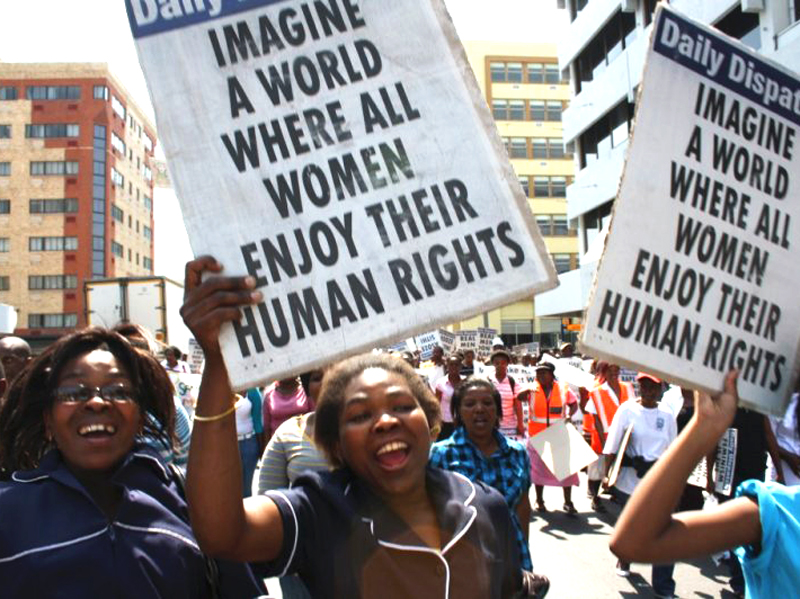
Women and children are most vulnerable when it comes to domestic abuse and sexual violence. In many instances, the victims do not even know they are being abused, and if they do recognise it, they do not know where to turn. With 16 Days of Activism under way, we have compiled some FAQs to help you recognise and act against abuse.

Women and children are most vulnerable when it comes to domestic abuse and sexual violence. (Image: Shamin Chibba)
Shamin Chibba
What is domestic violence?
Domestic violence refers to violent and forceful behaviour by one adult in an intimate relationship towards another. It may consist of repeated, severe beatings or more subtle forms of abuse, including threats and control.
What are the basic types of domestic violence?
This includes shoving, pushing, restraining, hitting or kicking. In many cases, the severity and frequency of physical assault increase over time.
This occurs any time one partner forces sexual acts that are unwanted or declined by the other partner.
This is the one form of abuse that is tricky to recognise. Emotional abuse can be generally defined as using manipulation, fear, intimidation and guilt to control someone and undermine their self-confidence and independence. Because it is subtle and elusive, people often don’t realise it is happening, no matter how clever, capable or self-aware they are.
This refers to the destruction of property that may include household objects or treasured items belonging to the victim, hitting the walls, or abusing or killing beloved pets.
This includes withholding funds from the victim or depriving the victim of finances to which he or she is entitled under law or requires out of necessity.
What laws protect people from abuse?
The Domestic Violence Act, the Sexual Offences Act and the Children’s Act were designed to protect people from abuse.
What is the difference between the Domestic Violence Act and the Sexual Offences Act?
The Domestic Violence Act can protect victims through protection orders. This Act recognises that domestic violence is not a private matter – it is a serious crime against society. Besides protecting married people and children, it also protects unmarried people who are involved in relationships or living together, people in same-sex relationships, mothers who live in fear of their sons, and people sharing the same living space.
The Sexual Offences Act of 2007 makes all forms of sexual abuse, assault, rape and exploitation a crime.
Who do I contact if I have been abused?
There are numerous institutions that can help in cases of abuse and sexual offences. The first call should be made to the South African Police Service on 10111.
For more institutions that provide support, check out Where to get help in South Africa if you are being abused.
What are my options if I am being abused?
You have the right to apply for a protection order at the nearest police station or magistrate’s court. You may also lay a criminal charge at the police station and apply for a protection order.
What is a protection order?
It is an order issued by a court at your request, ordering a person with whom you have or had a domestic relationship, to stop the abuse.
Who can apply for a protection order?
Any victim of domestic violence can apply for a protection order. A parent or guardian, or any person acting on behalf of a minor can apply for children, but with their permission.
What can I do to help someone who is in an abusive relationship?
According to the Faith Trust Institute, you can:
Copyright Brand South Africa © 2025. All rights reserved - Reengineered by Pii Digital