As South Africa grapples with broad economic challenges, including energy shortages and rising inflation, Gauteng’s role as a beacon of growth and investment has become even more important.
Although the province punches well above its weight, contributing some 34% to South Africa’s GDP, it is determined to proactively expand its economic and social impact.
With this in mind, Gauteng Province has set an ambitious goal of attracting R800-billion in investments to provide the catalyst for industrialisation over the next three years – and the first step is the Gauteng 2025 Investment Summit on 3 April 2025.
This summit takes place at a time when the world’s eyes have turned south, with South Africa leading the G20, hosting numerous meetings throughout the year and tackling high-level developmental global policies and programmes.
“South Africa will look to consolidate various G20 initiatives related to Africa into a flagship agreement for cooperation that is focused on implementation of investments in productive sectors in Africa, in areas such as infrastructure,” says the Gauteng MEC for economic development Lebogang Maile.
During 2025, numerous meetings are held, bringing together developed and developing countries to find solutions to global challenges. South Africa’s presidency of the G20, a first for the country and for the continent, comes to a climax at the G20 Summit, which will take place on 22 and 23 November in Johannesburg – in the heart of Gauteng.
In the context of increasing competition for foreign direct investment globally and within Africa, hosting an investment conference in 2025 offers an unparalleled opportunity to reaffirm Gauteng’s position as a leading destination for capital.
An investment conference can serve as a platform to drive capital inflows, unlock growth opportunities for South Africa’s smallest province, with the largest population.
Proactive measures
Gauteng already punches well above its weight: in addition to its contribution to South Africa’s GDP it also contributes 7% to the continent’s GDP. Gauteng’s contribution to the national GDP, which stands at R1.6-trillion as of Q3 2024, underscores the province’s dominance.
But it nonetheless needs to address the crucial issue of transforming the country’s economic landscape, creating jobs, ensuring people are trained for future jobs, and working towards eradicating poverty.
Since 2015, South Africa, Egypt, Nigeria and Morocco have received the most in foreign direct investment in the continent, while in 2022 Gauteng ranked as the 53rd largest destination globally for foreign direct investment, outperforming other African regions like Cairo, Lagos, and Casablanca.
Over the past year, since January 2024, Gauteng secured R25.6-billion in investments from 38 companies, creating nearly 7 800 jobs in sectors like ICT, environmental technology, and automotive industries.
In addition, the rise of data centre investments, renewable energy projects, and digital infrastructure developments show Gauteng’s leading role in Africa’s technological and environmental transitions.
However, the province needs to be proactive in securing additional capital inflows as it faces increasing competition from other African states.
The 2025 Summit intends to secure R300-billion in immediate investment commitments, against the set clear objectives that align with the province’s industrialisation and regional integration goals: securing investment commitments; identifying and showcasing high-growth sectors; enhancing project preparation and execution; fostering collaboration; improving the business environment; and supporting economic transformation and job creation.
Setting clear objectives
The focus is not only on projects that transform Gauteng’s economy but also uplift communities, foster skills development, and enable sustainable jobs, emphasising inclusive industrialisation and benefiting small businesses and historically disadvantaged groups.
This will have a significant impact on job creation and skills development.
The manufacturing sector, a cornerstone of industrialisation, offers extensive employment opportunities across various skill levels. By investing in industries such as advanced manufacturing, Gauteng aims to address unemployment challenges, particularly among the youth.
This not only provides income but also fosters skills development, leading to a more competent workforce.
Industrialisation encourages the adoption of new technologies and innovation. Gauteng’s commitment to sectors like the digital economy positions the province to become a hub for technological advancements, fostering an environment where innovation can thrive.
Diversifying the economy will allow the province to become resilient against global economic fluctuations, ensuring sustainable economic growth.
Beyond Gauteng’s borders
However, the summit is more than a provincial event; it is a strategic initiative with the potential to contribute to the broader African growth narrative.
As MEC Maile has noted the conference will be a platform to drive economic momentum and regional integration within the Southern African Development Community (SADC) region.
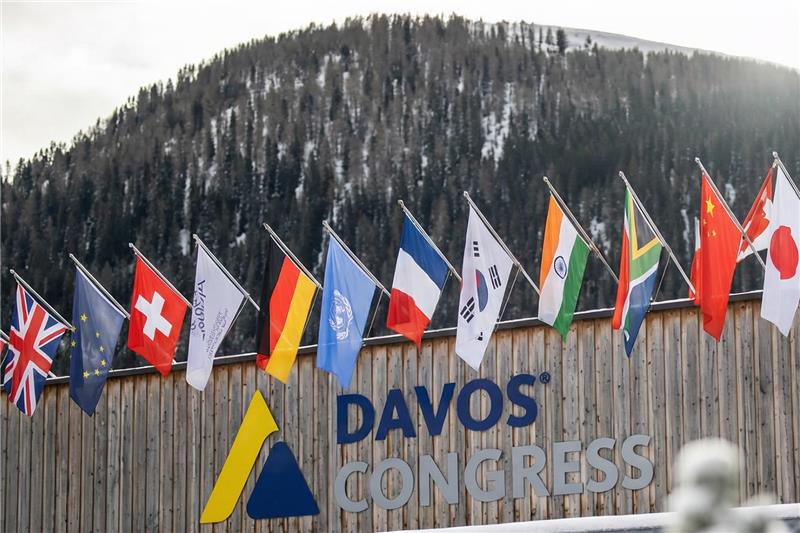
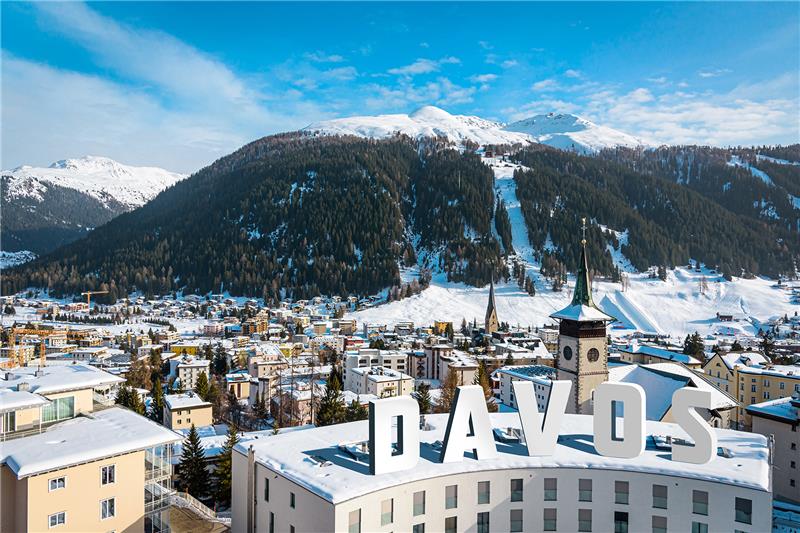
When South Africa participated in the World Economic Forum in January 2025, “Team South Africa’s participation was fundamentally aimed at advocating for the value of regional consolidation and the continental and national agenda”, said Maile.
“It also aimed to showcase high-growth sectors by highlighting opportunities in advanced manufacturing, the digital economy, and other transformative sectors that will position Gauteng as a prime investment destination.
“In addition to this, the conference will provide a platform to enhance the business environment, asserting Gauteng’s commitment to creating a streamlined, investor-friendly climate, reducing barriers to doing business, and fostering expansion opportunities,” said MEC Maile.
Improved infrastructure and industrial capacity in Gauteng can enhance trade efficiency within SADC, expediting the movement of goods between South Africa and its neighbouring states.
In addition, a robust industrial base in Gauteng can attract investments that can have a positive spill-over in neighbouring countries. Companies establishing operations in the province may seek suppliers or partners in adjacent nations, fostering economic interdependence.
The summit’s success could set a precedent, illustrating how targeted investments in industrial sectors can drive sustainable development and foster stronger regional ties.
Copyright Brand South Africa © 2025. All rights reserved - Reengineered by Pii Digital