This year’s Freedom Day, on 27 April, marks the 30th anniversary of democracy in South Africa. On this day in 1994, many South Africans voted for the first time in their lives in a democratic election. This historic day, marked the culmination of centuries of the struggle to liberate people from oppression and suffering, dispossession and exploitation, and from poverty and inequality. Since then, South Africa’s Constitution has guided its collective efforts over the last three decades, to fundamentally change the country, and it remains at the center of all efforts to improve the lives of many.
As we celebrate Freedom Day, we also take a look back to South Africa’s democratic journey, central to its constitution, which is hailed as one of the most progressive in the world.
Constitutional Democracy
We explore the changes in domestic legislation, participation in international forums and how, in setting an example with its policies, South Africa has become an advocate for global human rights] – one of which is freedom to choose who you can love and marry.
The Promotion of Equality and Prevention of Unfair Discrimination Act (2000) was a major step in protecting human rights, including the right to marry. It prohibits unfair discrimination and promotes equality. This includes the right to marry a person of any race, gender or sexual orientation.
South Africa has seen several landmark legal cases that have advanced the cause of marriage equality. In 2002, the case of Fourie and Bonthuys v. Minister of Home Affairs, challenged the definition of marriage as being between a man and a woman. The Constitutional Court ruled that the existing marriage law was discriminatory and unconstitutional.
South Africa became the fifth country in the world and the first in Africa, to legalise same-sex marriage. The Civil Union Act, passed in 2006, granted same-sex couples the right to marry and afforded them the same legal rights as heterosexual couples.
The country’s stance on marriage equality has had a ripple effect across the African continent and the world. By taking a bold step towards equality, South Africa set an example for other nations to follow. It has actively supported efforts to promote LGBTQ+ rights globally.
Economic Transformation
South Africa’s journey over the past three decades has been marked by significant strides in economic empowerment, giving previously excluded groups access to opportunities and public infrastructure, particularly within the context of small, medium and micro-sized enterprises:
Some examples of successful SMMEs over the years:
Investment and Infrastructure Development:
Social Progress
The nation has witnessed the expansion of essential services, a broadening of social progress programmes and a steadfast commitment to combating HIV/AIDS. Notably, South Africa now boasts the world’s most comprehensive HIV treatment initiative, which has been instrumental in preserving countless lives.
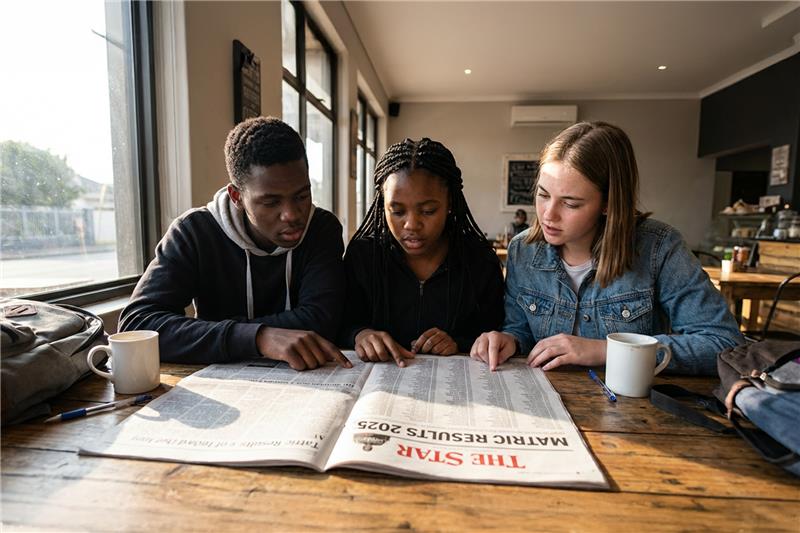
The efforts to address historical education disparities have resulted in improved accessibility to schooling for many children across the country. The national government’s emphasis on enhancing the quality of teaching and expanding basic education is evident through initiatives such as school feeding programmes and infrastructure enhancements aimed at breaking down socio-economic barriers to learning.
Diverse social welfare initiatives are being implemented to confront poverty and inequality head-on. The social grant system provides crucial financial support to vulnerable demographics including children, the elderly and individuals with disabilities. These grants play a pivotal role in alleviating poverty and enhancing living standards for millions throughout South Africa.
Youth and the Future
South Africa’s democratic journey has seen numerous initiatives in youth empowerment. A few notable examples:
As custodians of the future, South Africa’s youth and older generations, play crucial roles in shaping the country’s democratic trajectory. The African proverb ‘Good actions are nourishment for youths, much more than words’, emphasises the older generations’ duty of leading by example and taking tangible actions, as young people learn and grow more effectively through observing and experiencing positive behaviours. Empowering young people through education, skills development and meaningful participation in decision-making processes is essential for building a more prosperous, equitable and sustainable future.
Copyright Brand South Africa © 2025. All rights reserved - Reengineered by Pii Digital